Healthy lifestyle can prevent diabetes (and even reverse it)
Find out how changes to your eating habits, activity, and weight can help lower your risk of type 2 diabetes.
- Reviewed by Howard E. LeWine, MD, Chief Medical Editor, Harvard Health Publishing; Editorial Advisory Board Member, Harvard Health Publishing

The rate of type 2 diabetes is increasing around the world. Type 2 diabetes is a major cause of vision loss and blindness, kidney failure requiring dialysis, heart attacks, strokes, amputations, infections, and even early death. Over 80% of people with prediabetes (that is, high blood sugar with the high risk for developing full-blown diabetes) don’t know it. And one in four people who have full-blown diabetes don’t know they have it. A healthy lifestyle can prevent diabetes from occurring in the first place — and even reverse its progress.
Can a healthy diet and lifestyle prevent diabetes?
The Diabetes Prevention Program (DPP), a large, long-term study, asked the question: we know an unhealthy diet and lifestyle can cause type 2 diabetes, but can adopting a healthy diet and lifestyle prevent it? This answer is yes: the vast majority of prediabetes and type 2 diabetes can be prevented through diet and lifestyle changes, and this has been proven by 20 years of medical research.
Researchers from the DPP took people at risk for type 2 diabetes and gave them a 24-week diet and lifestyle intervention, a medication (metformin), or a placebo (a fake pill), to see if anything could lower their risk for developing diabetes. The very comprehensive diet and lifestyle intervention had the goal of changing participants’ daily habits, and included: 16 classes teaching basic nutrition and behavioral strategies for weight loss and physical activity; lifestyle coaches with frequent contact with participants; supervised physical activity sessions; and good clinical support for reinforcing an individualized plan.
Perhaps not surprisingly, the diet and lifestyle intervention was incredibly effective. After three years, the diet and lifestyle group had a 58% lower risk of developing diabetes than the placebo group. Participants ages 60 and older had an even better response, with a whopping 71% lower risk of developing diabetes. The diet and lifestyle effect lasted: even after 10 years, those folks had a 34% lower risk of developing diabetes compared to placebo.
Men, women, and all racial and ethnic groups had similar results (and almost half of participants represented racial and ethnic minorities). These results are not surprising to me or to other doctors, because we have all seen patients with prediabetes or diabetes get their sugars down with diet, exercise, and weight loss alone.
Meanwhile, the medication group had a 31% lower risk of diabetes after three years, and an 18% lower risk after 10 years, which is also significant. It’s perfectly all right to use medications along with diet and lifestyle changes, because each boosts the effect of the other. Studies looking at the combination of medication (metformin) with diet and lifestyle changes have shown an even stronger result.
Dietary recommendations to prevent diabetes (and even reverse it)
- Decrease intake of added sugars and processed foods, including refined grains like white flour and white rice. This especially includes sugary drinks, not only sodas but also juices. The best drinks are water, seltzer, and tea or coffee without sugar.
- Swap out refined grains for whole grains. Whole grains are actually real grains that haven’t been stripped of nutrients in processing. Foods made from 100% whole grain (like whole wheat) are okay, but intact whole grains (like farro, quinoa, corn, oatmeal, and brown rice) are even better.
- Increase fiber intake. High-fiber foods include most vegetables and fruits. Legumes are also high in fiber and healthy plant protein. Legumes include lentils, beans, chickpeas, peas, edamame, and soy. People who eat a lot of high-fiber foods tend to eat fewer calories, weigh less, and have a lower risk of diabetes.
- Increase fruit and vegetable intake. At least half of our food intake every day should be nonstarchy fruits and vegetables, the more colorful the better. Cruciferous vegetables like broccoli, cauliflower, and Brussels sprouts, and high-fiber fruits like berries of all kinds, are especially healthy.
- Limit processed red meats such as bacon, deli meat, and hot dogs. In fact, eating less red meat of any kind and increasing the intake of more plant-based foods is linked to a lower risk of diabetes.
- Eat healthier fats. Fat is not necessarily bad for you. What kind of fat you’re eating really does matter. Saturated fats, particularly from meats, are associated with an increased risk of diabetes and heart disease. Plant oils, such as extra-virgin olive oil and canola oil, carry less risk. Omega-3 fats, like in walnuts, flax seeds, and some fish, are actually quite good for you.
Diet and lifestyle changes that can help prevent diabetes
A helpful tool is the Harvard Health Publishing and Harvard T.H. Chan School of Public Health Nutrition Source Healthy Eating Plate, which shows you what your daily food intake should look like: half fruits and vegetables, about a quarter whole grains, and a quarter healthy proteins (plant protein is ideal here), with some healthy fats and no-sugar-added beverages.
od intake should look like: half fruits and vegetables, about a quarter whole grains, and a quarter healthy proteins (plant protein is ideal here), with some healthy fats and no-sugar-added beverages.
Adapted from a Harvard Health Blog post by Monique Tello, MD, MPH
Image: © Rawpixel/Getty Images
About the Reviewer
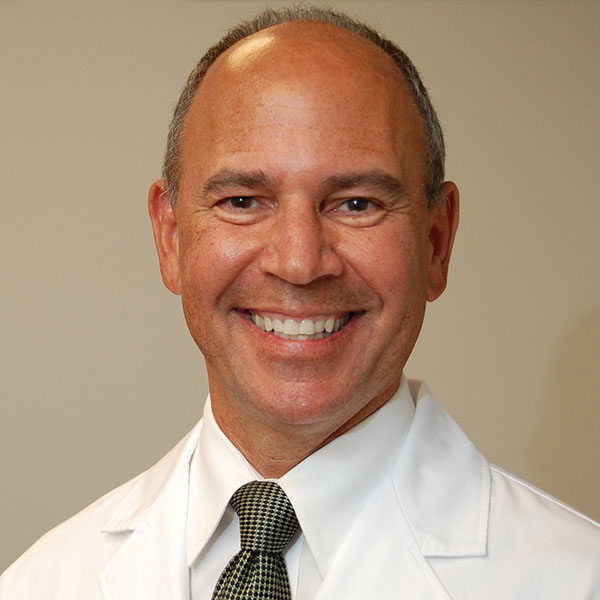
Howard E. LeWine, MD, Chief Medical Editor, Harvard Health Publishing; Editorial Advisory Board Member, Harvard Health Publishing
Disclaimer:
As a service to our readers, Harvard Health Publishing provides access to our library of archived content. Please note the date of last review or update on all articles.
No content on this site, regardless of date, should ever be used as a substitute for direct medical advice from your doctor or other qualified clinician.